Disclosure: This page may contain ads and affiliate links. We may earn a commission at no extra cost to you.
Views: 8
Disclosure: This page may contain ads and affiliate links. We may earn a commission at no extra cost to you.
Table of Contents
I brought Luna home on a Saturday afternoon in October. By Sunday morning, I’d seen her exactly twice both times as a flash of gray disappearing behind my washing machine. By Monday, I was googling “did I adopt a feral cat by accident” and wondering if I’d made a terrible mistake.
That feeling the panic, the doubt, the “what have I done” is something shelters don’t really prepare you for. Neither do the cheerful adoption guides that make cat adoption sound like bringing home a grateful, instantly affectionate companion.
Three years later, Luna sleeps on my pillow and greets me at the door. But those first few weeks taught me more about adopting cats than anything I’d researched beforehand.
Why This Matters for Cat Owners
This guide is for you if:
- You’re considering adoption but feel overwhelmed by conflicting advice
- You want honest expectations, not the sanitized version
- You need to know what actually matters versus what’s just shelter protocol
- You’re wondering if adult cats, senior cats, or kittens make better first adoptions
- You want to avoid the mistakes that make those first weeks harder than necessary
This is especially relevant if:
- You’ve never had a cat before
- You’re adopting from a shelter or rescue (not a breeder)
- You work full-time and worry about leaving a new cat alone
- You have other pets or children
- You’re feeling pressure to “save” a cat without knowing if you’re ready
What I Tried First (And Why)
I walked into the shelter thinking I wanted a kitten. Young, playful, easy to train or so I assumed. The shelter volunteer gently steered me toward adult cats, explaining that kittens get adopted quickly while older cats wait months.
Luna was three years old, shy, and had been returned once already. The volunteer said she “just needed time to warm up.” That sounded manageable.
I’d prepared by:
- Buying every item on the ASPCA checklist
- Setting up a litter box in the bathroom
- Putting food and water bowls in the kitchen
- Arranging a cat tree by the window
The shelter approved my application within 48 hours. I signed papers, paid the $125 adoption fee, and drove home with Luna yowling in a cardboard carrier.
Within an hour of arriving, she’d wedged herself behind the washing machine, and I didn’t see her again until the next morning.
I’d assumed she’d explore, maybe hide briefly, then settle in. I’d assumed wrong.
What Actually Worked Over Time
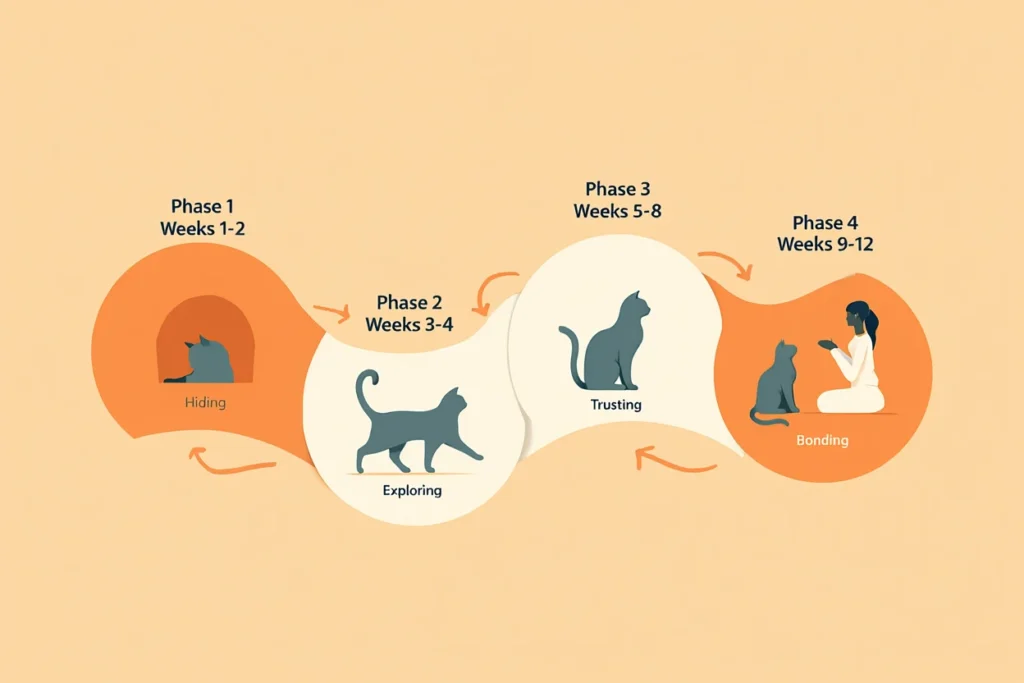
Week One: The Hiding Phase
I learned to ignore every instinct to “check on her.” The more I peeked behind the washing machine, the more stressed she became. What worked:
- Putting food and water near her hiding spot
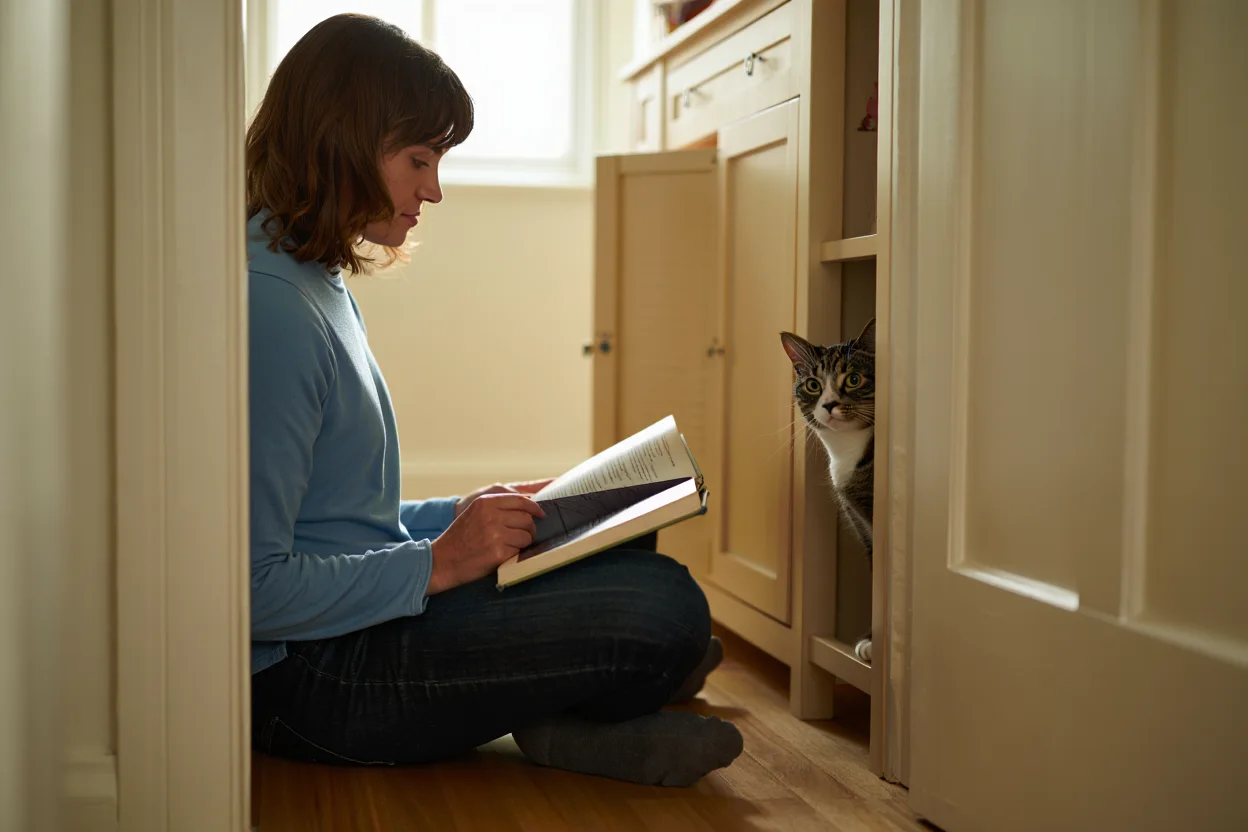
- Sitting on the floor nearby, reading aloud (not talking to her directly)
- Leaving the bathroom door open so she could explore at night
- Resisting the urge to pull her out for “socialization”
By day five, I found her sitting in the bathroom doorway at 3 a.m., watching me. Progress.
Week Two: Small Interactions
She started eating while I was in the room. I’d sit on the floor, not making eye contact, just existing. No reaching out to pet her. No baby talk.
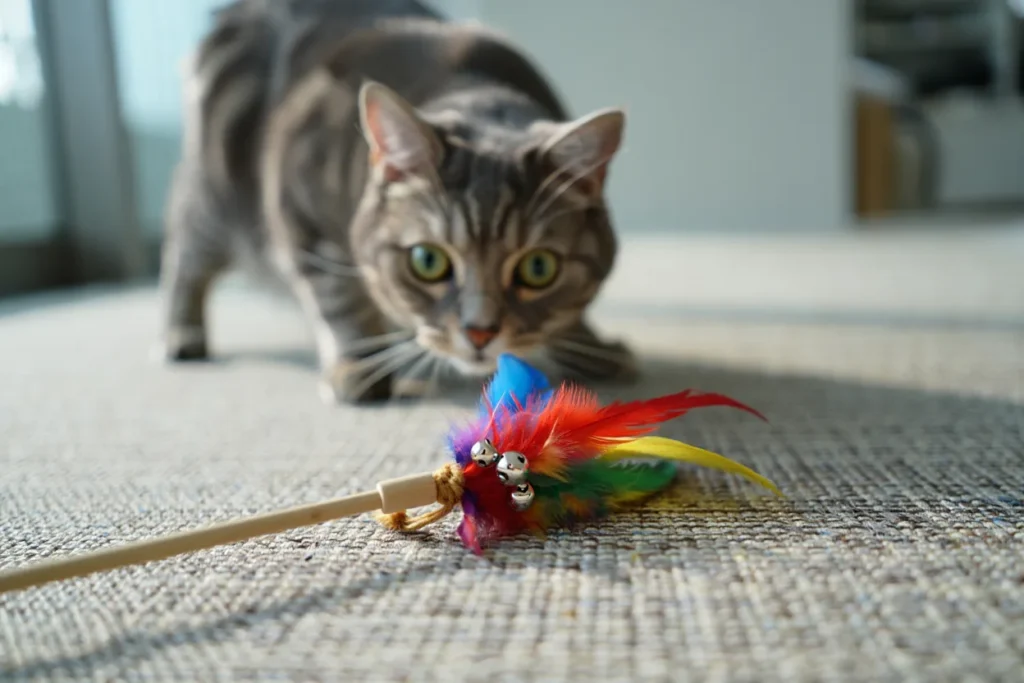
The turning point: I bought a feather wand toy and dragged it past her hiding spot without acknowledging her. She pounced. For thirty seconds, she forgot to be scared.
After that, we had one play session per day. She’d retreat immediately after, but it was contact.
Week Three: Routine Takes Hold
Cats need predictability more than affection. I fed her at the same times daily. I cleaned the litter box on a schedule. I played with the feather toy at 8 p.m. every night.
She started waiting for me in specific spots. Not cuddling just… existing in the same room.
Month Two: Actual Bonding
She jumped on the couch next to me. Not touching, just near. A week later, she touched her nose to my hand. A week after that, she climbed into my lap for eleven seconds before leaving.
I’d been warned the adjustment period takes 2-8 weeks. For Luna, it took nearly two months before she seemed comfortable, and another month before she seemed happy.
What I Got Wrong the First Time
Mistake #1: Buying a Covered Litter Box
I thought cats liked privacy. Luna refused to use it. She held her bladder for nearly 24 hours before I realized the problem and swapped it for an open box.
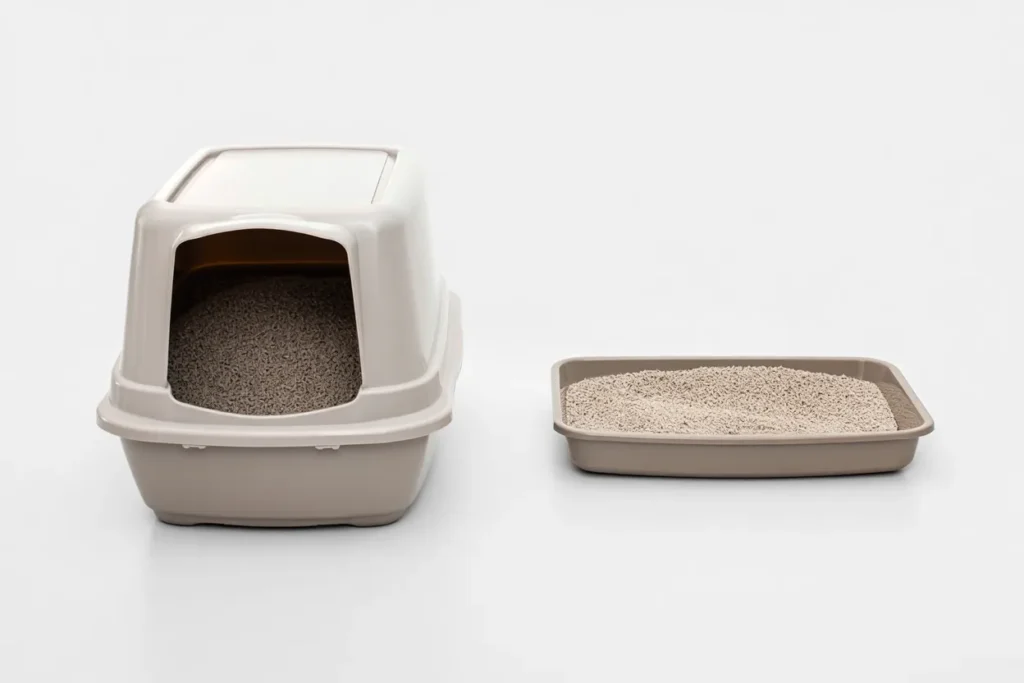
What I learned: Many cats feel trapped in covered boxes, especially anxious rescue cats. Start simple and open. You can experiment later.
Mistake #2: Putting Food Bowls Across the Room from Water
Some article told me cats don’t like food and water near each other. Luna ignored the water bowl entirely and got dehydrated.
What I learned: Yes, wild cats separate food from water sources, but domestic cats especially stressed ones won’t walk across an unfamiliar apartment to drink. Put water near food initially, then gradually move it if you want.
Mistake #3: Expecting Gratitude or Immediate Affection
I’d “saved” her from the shelter. She should be grateful, right?
This mindset made her hiding feel like rejection. In reality, she was terrified. She didn’t know I was safe. She didn’t understand this was permanent.
What I learned: Adopted cats aren’t grateful. They’re confused and scared. They need time to realize they’re not going back to the shelter or being moved again. Let go of expectations.
Mistake #4: Inviting Friends Over to “Meet the Cat”
Day three, I had two friends visit. Luna didn’t come out for 48 hours afterward.
What I learned: No visitors for at least two weeks. The cat needs to bond with you first, in a calm environment, before being introduced to strangers.
Mistake #5: Assuming the Shelter Medical Check Was Enough
Luna came with vaccination records and a clean bill of health. A week in, she started sneezing. Turned out she had an upper respiratory infection that flared up due to stress.
What I learned: Schedule a vet appointment within 7-10 days of adoption, even if the cat seems healthy. Stress suppresses immune systems, and shelter environments spread illness.
Mistake #6: Not Creating a Safe Room
I gave Luna full access to my apartment, thinking more space meant more freedom. Instead, it overwhelmed her.
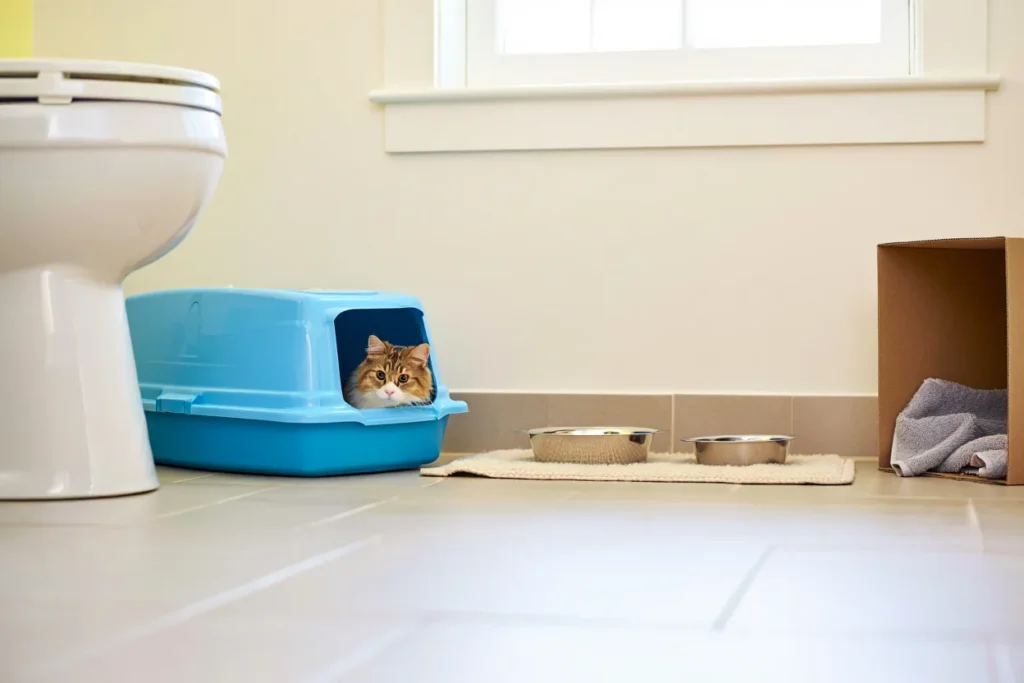
What I learned: Start with one small room (bedroom or bathroom). Food, water, litter box, hiding spots all in one space. Let the cat master that environment before expanding territory. I should’ve done this from day one.
Safety & Vet Reality Checks
When to Contact the Shelter or Vet Immediately:
- Cat hasn’t eaten in 24+ hours
- Cat hasn’t used litter box in 24+ hours
- Cat is lethargic, drooling, or having difficulty breathing
- Cat shows aggression beyond hissing (biting, lunging, unprovoked attacks)
- Cat seems injured or in pain
What’s Normal (Even If Scary):
- Hiding for 3-7 days straight
- Eating only at night when you’re asleep
- Hissing or growling when approached
- Refusing to use litter box in your presence initially
- Not purring or seeking attention for weeks
The Gray Area:
If your cat is still hiding after two weeks, hasn’t made any progress, and won’t eat even when alone, contact the shelter. Some cats need behavioral assessment or medication for anxiety. This doesn’t mean you failed some matches just don’t work.
I’ve learned that shelters want successful adoptions. They’d rather help you troubleshoot than have you return the cat. Use them as a resource.
Disclaimer: I’m not a vet or animal behaviorist. This is based on my experience with one cat and conversations with shelter staff. Every cat is different. When in doubt, consult your vet or a certified cat behavior specialist.
Who This Advice Is / Is Not For
This approach works well if you’re adopting:
- An adult cat (1-7 years old) from a shelter
- A cat described as “shy,” “needs time,” or “timid”
- Your first cat as an adult
- A cat into a quiet household or apartment
You’ll need modified advice if you’re adopting:
- A kitten under 6 months (they require more supervision and have different needs)
- A senior cat over 10 years (may have health issues requiring immediate vet attention)
- A confident, outgoing cat (they adjust faster but may challenge boundaries immediately)
- Into a home with children under 8 (requires additional safety protocols)
- A second cat when you already have one (introduction process is completely different)
This won’t apply if:
- You’re fostering temporarily (different mindset and timeline)
- You adopted from a breeder (socialization typically different)
- Your cat has diagnosed medical or behavioral issues requiring professional treatment
Final Thoughts
If I were adopting another cat tomorrow, I’d do three things differently:
- Set up a single safe room from day one and keep the cat contained there for at least a week
- Not buy anything fancy simple open litter box, basic bowls, cardboard boxes for hiding
- Expect nothing from the cat for the first month except eating, drinking, and using the litter box
What I’d absolutely repeat:
- Adopting an adult cat instead of a kitten
- Staying patient through the hiding phase instead of forcing interaction
- Using play as the first bridge to trust
- Scheduling that early vet visit even when everything seemed fine
The shelter asked if I wanted to write a review after adoption. I waited six months to do it because I wanted to be honest: Luna didn’t transform my life in a week. She didn’t fill a void or complete my family or any of that.
But she did become a specific, irreplaceable presence in my apartment. She did learn that I’m safe. And I did learn that patience actual, boring, unglamorous patience matters more than expensive supplies or perfect preparation.
If you’re thinking about cat adoption, you don’t need to be perfect. You need to be consistent, quiet, and willing to let the cat set the pace.
And maybe buy some lint rollers. That part’s real too.
FAQs
How long does it take for an adopted cat to adjust to a new home?
Most shelters say 2-8 weeks, but in my experience, it’s closer to 8-12 weeks for a truly relaxed cat. The first week is survival mode hiding, minimal eating, hypervigilance. Weeks 2-4 involve cautious exploration and testing boundaries. By weeks 6-8, you’ll see personality emerge. Full comfort and trust can take three months or longer, especially for cats with trauma or multiple previous homes.
Should I adopt a kitten or an adult cat as a first-time owner?
I adopted an adult cat and I’m glad I did. Kittens are adorable but exhausting they need constant supervision, get into everything, and require multiple vet visits for vaccines. Adult cats (1-5 years old) have established personalities, are already spayed/neutered, and adapt surprisingly well despite myths about them being “set in their ways.” Senior cats (7+) can be wonderful but may have health issues. If you work full-time and want a calmer transition, consider an adult cat.
Why is my adopted cat hiding and not eating?
Hiding is the most common behavior in newly adopted cats. It’s fear and stress, not rejection of you. A cat may hide for 3-7 days, eating only when you’re asleep or out of the room. Make sure food and water are near the hiding spot. Don’t force interaction. If the cat hasn’t eaten anything in 24 hours or seems lethargic, contact your vet stress can cause serious issues like hepatic lipidosis (fatty liver disease). Otherwise, patience is key.
What supplies do I actually need before adopting a cat?
Skip the fancy stuff initially. You need: open litter box (not covered), unscented clumping litter, two bowls (one food, one water), basic dry food (ask shelter what they’ve been feeding), cat carrier, and cardboard boxes or paper bags for hiding. That’s it for week one. Once your cat adjusts, you can add scratching posts, toys, beds, and other enrichment. I wasted money on items my cat refused to use during the stress period.

Can I return an adopted cat if it doesn’t work out?
Yes, and responsible shelters prefer this over abandonment or rehoming on Craigslist. Most adoption contracts include a return policy some shelters require it, others just request it. Common valid reasons include severe aggression, incompatibility with existing pets, or allergies. However, normal adjustment behaviors (hiding, hissing, not cuddling) aren’t reasons to return a cat these resolve with time. Give it at least 4-6 weeks unless there’s a safety issue. Shelter staff can help you troubleshoot before making that decision.
How much does cat adoption cost, and what’s included?
Adoption fees typically range from $50-$200 depending on the cat’s age and the organization. This usually includes: spay/neuter surgery, initial vaccinations (rabies, FVRCP), microchip, deworming, and sometimes a free first vet visit. You’ll spend another $100-$200 on initial supplies. Ongoing costs: food ($30-$50/month), litter ($15-$25/month), annual vet visits ($100-$300), and unexpected medical expenses. Budget at least $500-$800 for the first year.
What questions should I ask the shelter before adopting a cat?
Disclosure: This page may contain ads and affiliate links. We may earn a commission at no extra cost to you.
Ask: How long has this cat been at the shelter? Why was it surrendered or found? How does it behave around other cats, dogs, and children? Any known health issues or medications? What food has it been eating? Has it lived indoors, outdoors, or both? Does it use the litter box consistently? Any behavioral quirks (e.g., doesn’t like being picked up)? Can I have a trial period? What’s your return policy? These questions reveal personality fit and prevent surprises.
Disclosure: This page may contain ads and affiliate links. We may earn a commission at no extra cost to you.