
Disclosure: This page may contain ads and affiliate links. We may earn a commission at no extra cost to you.
Views: 9
Disclosure: This page may contain ads and affiliate links. We may earn a commission at no extra cost to you.
Table of Contents
FIP Medication for Cats: What to Expect (and What I Wish I’d Known)
Introduction
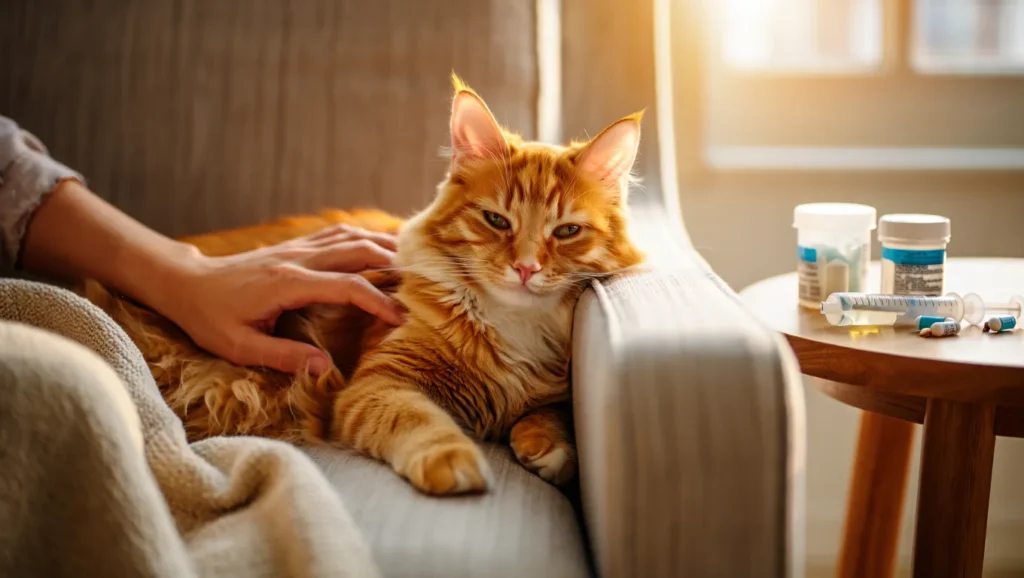
The first time I heard “FIP,” my brain didn’t even register the rest of the sentence. I just watched my cat’s ears swivel back—like he knew the room got heavier. When people search fip medication for cats, they’re usually in that same place: scared, tired, and trying to sort real help from noise.
I’m not a veterinarian, but I’ve lived through the messy parts of cat care: missed doses, food refusal, hiding under the bed, and that constant “is this normal?” loop. This guide is about staying practical, ethical, and cat-first while you work with your vet.
Understanding FIP Medication for Cats
FIP (feline infectious peritonitis) is a serious disease linked to feline coronavirus changes inside a cat’s body. In recent years, antivirals have changed what many owners can hope for—but medications still need to be handled responsibly and under veterinary direction.
When people say “FIP medication,” they’re usually talking about antiviral drugs a veterinarian may prescribe or source legally through proper channels, depending on your country and what’s available. Cornell notes that a veterinary prescription is required for compounded oral GS-441524 access in the U.S. context. Source
Who this applies to
This article is for you if: You have a cat diagnosed with (or strongly suspected of having) FIP and your veterinarian is discussing antiviral medication options. You’re trying to understand what the treatment experience looks like at home (routine, appetite, stress, monitoring).
When it matters most
In real life, the “medication” part becomes urgent when your cat is: Not eating well
Losing weight
Showing fever/lethargy
Developing fluid build-up or neurological/eye-related signs (these require immediate vet involvement)
Why it’s important
Because FIP treatment is one of those situations where: Consistency matters (missed doses can derail momentum)
Monitoring matters (to catch side effects or complications early)
Source quality matters (legal/quality-assured routes are safer)
Why This Matters for Cats
If you’ve never had to give a cat medication daily, it’s hard to understand how quickly “just give the pill” turns into a wrestling match with feelings.
Here’s why a thoughtful approach to FIP meds matters:
- Safety implications: Unregulated sources and incorrect handling put cats and humans at risk; AVMA highlights FDA’s position and the importance of patient-specific prescribing. Source
- Health implications: Some medications require monitoring and vet check-ins; VCA notes regular reassessment is important. Source
- Behavioral impact: Stress builds fast with daily medicating—cats may hide, refuse food, or resist handling, which can spiral into worse compliance.
- Owner mistakes this prevents: Stopping early because “he seems better,” putting meds in a full meal (and then they won’t eat), or missing weight changes that affect dosing conversations.
Step-by-Step: Practical Tips for Giving FIP Medication at Home
These steps are intentionally “home-realistic.” They won’t replace your vet’s plan—they’ll help you carry it out without burning out your relationship with your cat.
Step 1: Get clear instructions (and write them down)
What to do: Before you leave the clinic (or finish a call), ask for the basics in plain language: when to give it, whether it’s best fasted, and what a missed dose plan is.
Why it matters: When you’re stressed, your memory lies to you.
What to watch for: Your cat’s baseline: appetite, energy, hiding, grooming. If you don’t know baseline, you won’t spot change.
VCA includes practical guidance on missed doses (don’t double-dose) and handling basics. Source
Step 2: Build a “med station” that reduces drama
What to do: Pick one quiet spot. Keep everything there: meds, treats, towel, water, a small notepad, and a scale schedule reminder.
Why it matters: Cats learn patterns. Predictability reduces panic.
What to watch for: If your cat bolts at the sound of a pill bottle, switch to quieter prep (pre-opened container, soft-close drawer).
Step 3: Decide on a dosing method your cat will tolerate
What to do: With your vet’s OK, try the least stressful method first:
- Tablet + pill pocket style treat
- Crushed tablet in a small treat portion (not a full meal)
- Liquid carefully given (slow and calm)
Why it matters: Stress can crush appetite—then meds get even harder.
What to watch for: Lip-licking, drooling, head shaking, “meatball posture,” or running away after dosing can be nausea or stress signals.
Step 4: Don’t sacrifice meals to medication
What to do: Avoid mixing medication into your cat’s main meal unless your veterinarian specifically instructs it.
Why it matters: If they refuse that meal, you lose both calories and the full dose.
What to watch for: Smaller intake over 24 hours, not just one skipped bowl.
Use Catous’s feeding basics as your “reset” if appetite gets weird. Source
Step 5: Track 3 things: weight, appetite, litter box
What to do: Keep a simple log:
- Weight (weekly, same scale)
- Appetite (percentage eaten)
- Litter box notes (pee/poop frequency changes)
Why it matters: It’s the quickest way to give your vet useful info without guessing.
What to watch for: Straining, sudden diarrhea/constipation, or “new accidents.” Litter changes deserve attention. Source
Step 6: Protect the cat-human relationship (seriously)
What to do: After meds, do something your cat likes—one minute of gentle brush time, a favorite window perch, or a calm treat ritual.
Why it matters: If every interaction becomes “medicine,” some cats start hiding all day.
What to watch for: If hiding increases, reduce chase behavior. Bring the routine to them calmly instead of cornering.
Common Mistakes I’ve Seen (and Made)
I’m listing these because shame doesn’t help anyone—but patterns do.

Mistake 1: I tried to “be efficient” and chased my cat
What went wrong: I cornered him under the bed, grabbed him, dosed him, and felt victorious… until the next dose, when he vanished hours early.
Why it happened: I treated it like a task, not a relationship.
What worked instead: I switched to a routine: same time, same spot, calm voice, towel wrap if needed, then immediate reward.
Mistake 2: I hid medicine in a full meal
What went wrong: My cat took two bites and walked away. Now I had no idea if he got any medication.
Why it happened: It’s tempting because it sounds “easy.”
What worked instead: Small “medicine bite” first, then the real meal after.
Mistake 3: I didn’t track weight early enough
What went wrong: I relied on “he feels heavier” and only weighed him when I got anxious—too late to feel confident about trends.
Why it happened: Life gets busy, and the cat looks “better.”
What worked instead: Weekly weigh-ins + a quick note. International Cat Care highlights the importance of regular weighing during treatment and adjusting dosing conversations as cats change. Source
Expert Tips Most Owners Miss
These aren’t “secret hacks.” They’re the small, boring things that keep treatment doable.
- Use micro-routines, not willpower. Set an alarm, prep the station, and keep it identical daily. Cats relax when they can predict.
- Watch behavior as data. Reduced grooming, different sleep spots, or avoiding jumps can be meaningful—use Catous’s pain-sign list as a reality check. Source
- In multi-cat homes, simplify the environment. Separate feeding during medication periods so you can confirm intake. Less competition = less stress.
- Don’t improvise sourcing. Cornell and AVMA both emphasize legal/prescribed pathways and regulatory realities; it’s not just paperwork—it’s safety. Source Source
- Plan for “bad days.” Some cats have off days. The plan is not panic—it’s contacting your veterinarian with clean notes and clear observations.
FAQs
1) What is the main FIP medication for cats right now?
Many discussions center on antivirals such as GS-441524 (and related options depending on region), used under veterinary supervision. VCA describes GS-441524 as an antiviral used to treat FIP and outlines how it’s given, what side effects can occur, and why monitoring matters. Source
2) Is FIP medication “legally available” now?
It depends on where you live. In the U.S., Cornell notes compounded oral GS-441524 became available through a specific pathway that still requires a veterinary prescription. AVMA also explains FDA enforcement discretion and that compounded products are unapproved drugs, emphasizing patient-specific prescribing conditions. Source Source
3) How fast do cats usually look better after starting treatment?
Some cats improve quickly, but timelines vary by cat and disease presentation. VCA notes improvement may be seen in as few as 2–5 days with obvious improvement in 1–2 weeks for GS-441524, while also noting new FIP-related signs can appear early in treatment. That “ups and downs” reality is why tracking and vet check-ins matter. Source
4) What if I miss a dose? (This is my nightmare question.)
First: don’t guess and don’t double up without guidance. VCA’s general instruction for a missed dose is to give it when you remember unless it’s close to the next dose—then skip and return to schedule, without giving two doses at once. Then message/call your veterinarian so your plan stays consistent. Source
5) What side effects should I watch for at home?
Your veterinarian should give you a tailored list. As a general reference, VCA lists potential issues like mild ALT increases and blood cell changes, and notes monitoring is important. If you see anything unusual (vomiting, sudden lethargy, dramatic appetite change, breathing changes), contact your vet promptly. Source
6) Can I treat my cat using medication from social media groups?
I’m going to be direct: this is risky territory. Cornell describes how owners historically sought unregulated sources when legal options weren’t available, and International Cat Care explicitly warns about black-market products due to variable content and potential harm. If you’re stuck geographically or financially, your safest next step is still to talk with a veterinarian about legal options and support. Source Source
7) My cat acts worse after meds—am I failing?
Not necessarily. Cats can have nausea, stress, or “I hate this routine” behavior that looks like a setback. The key is to separate “behavioral protest” from true decline by logging appetite, litter, and energy, then sharing that pattern with your vet. And emotionally: you’re not failing—you’re doing a hard thing consistently.
Who This Advice Is / Is Not For
This advice is for:
- Indoor cats whose owners can monitor daily routines closely
- Multi-cat homes that can separate meals to confirm intake
- Kittens and young cats (common FIP age range) where weight tracking is realistic and frequent
- Owners who want a cat-first routine and will coordinate decisions with a veterinarian
This advice is not for:
- Anyone trying to self-diagnose FIP or self-prescribe treatment without a veterinarian
- Situations where a cat is in immediate distress (severe breathing trouble, collapse, seizures)—that’s emergency care, not a blog solution
- Homes that cannot reliably administer medication (in those cases, ask your vet about alternative support strategies)
Conclusion
FIP medication for cats can feel overwhelming, but the day-to-day reality gets easier when you stop trying to be perfect and start building a repeatable routine: clear vet instructions, calm dosing, simple tracking, and fewer high-stress battles. If you’re in this season right now, you’re not alone.
Disclosure: This page may contain ads and affiliate links. We may earn a commission at no extra cost to you.
If you have a tip that helped your cat take meds (or a mistake you learned from), leave a comment—others truly need it.xperience or ask a question in the comments below—we’re all in this together..
Disclosure: This page may contain ads and affiliate links. We may earn a commission at no extra cost to you.